Leever Jack’s Architectural Journal 01: Professor Takenobu Mohri
John Leaver III
A brief personal story about a set of circumstantial connections with the Japanese architect named Takenobu Mohri.
During my architectural studies at the University of Oklahoma in the late 1960’s I heard that the architecture school was famous in Japan. Maybe one reason was because of Mr. Mohri who came to study there. Mr. Mohri to my understanding was one of the first students to study abroad in the US after the end of World War II. At that time it had a unique curriculum under the direction of Bruce Goff (OU 1947~1955). He was interested in Goff’s architecture and therefore after passing a scholarship examination administered by the US Military Government he studied architecture at OU from 1951~1953. He had already a degree from the architecture department of Tokyo University of the Arts.
In the 40’s and 50’s the head of the school was an architect named Bruce Goff whose designs were seen as innovative by such famous architects as Frank Lloyd Wright. A 1951 Life magazine article stated that Goff was “one of the few US architects whom Frank Lloyd Wright considers creative…scorns houses that are ‘boxes with little holes.”(1) Many professors with similar ways of thinking were attracted to the school of architecture. Including a structural engineer Mendel Glickman who was hired by Goff to teach structure classes at OU.
Glickman served as a teacher of structures at Frank Lloyd Wright’s Taliesin office and collaborated with him on many construction projects (1932-1959) until Wright’s death in 1959. Such projects as “Fallingwater, Johnson Wax Administration Building and Tower, Greek Orthodox Church, Guggenheim Museum, Price Tower, Kalita Humphreys Theater, Mile-High Illinois and Marin County Government Center – to name a few” (2).
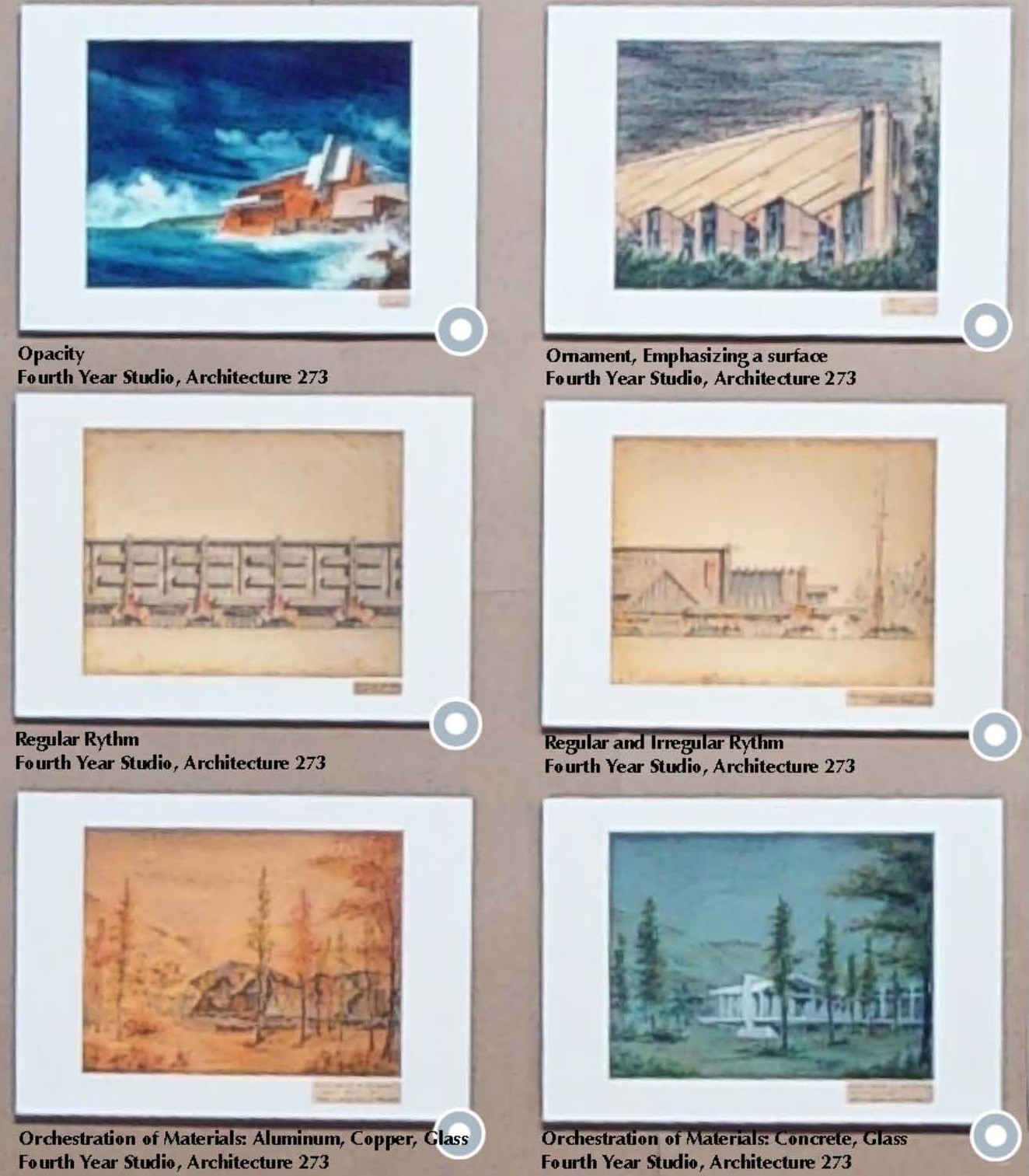
As it turns out Mr Mohri had a strong interest in Bruce Goff designs and creativity. He has authored some articles and a Book about his work titled “Bruce Goff in Architecture “. Some of Mohi’s design projects while he was a student at Oklahoma University are shown here. One from a class name Architecture 273 that I remember taking as a student. This classes intension was to be an advanced level study in basic design composition and to free up ones creativity which was very unique for a 4th year level class. Typically the final years are involved with polishing of ones architectural skills and know-how. This class illustrated the creative approach by Bruce Goff as he was the professor of that class.
As a memory of hearing about the school of architecture being famous in Japan I was somewhat curious about what that meant. The initial section of this discussion provides some explanation but I had no idea about Mr. Mohri. Although in school I had an interest in Japanese architecture and it was heighten when first seeing in the architecture magazines about the work of Kenzo Tange in the 1964 Olympic stadium design. Also I remember making a model for history class of a Japanese taiko bashi. I began architecture school in 1965 graduated with a Bachelors degree in 1970 and Masters in 1978. I finally arrived in Japan in the early 1990’s thanks to a colleague at Louisiana State University name Seshiro Tomioka. He introduced me to Kikkoo Mozuna whose work I first saw in a Book that Seshiro had shown me. It was very fascinating and I was interested to meet Mr. Mozuna and finally wanted to carry on some research about his architecture. In the process the first summer I was in Mozuna’s Office he introduce me to Professor Shiro Takahashi at Tama Art University where I was to teach a CAD class in English focused on design. Over the years

(3)
I spent there I found out that Mr. Mohri had been the head of the architecture school. One morning in the early 2000’s he came to the Hachioji Campus and I had a chance to have lunch with him. He told me about the time that he had spent at Oklahoma University. The story he mentioned was fascinating as he was living in the garage apartment of the President of the University, George Cross. President Cross told him if he needed anything for class such as books, pencil, papers, etc. to please ask him and the funds would be provided. When you think about President Cross’s offer and the circumstances surrounding their relationship provide an instructive sense of care and consideration.
I though that this would be my first and last meeting with Mr. Mohri but due to another set of unlikely coincidences that would not be the case. In the Spring of 2019 the SOY Architectural
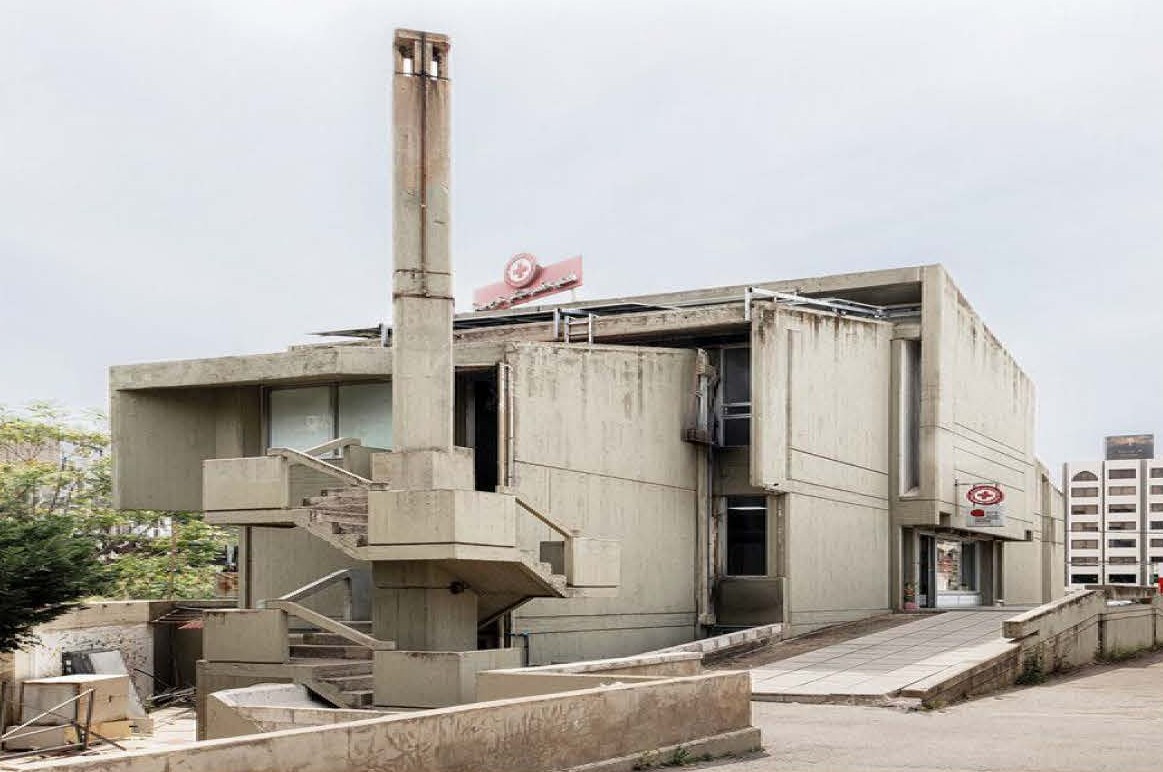
Office had a project in Zushi where I was the managing architect. I went to the building construction site for the first time with my wife who is Japanese. We were there to check the drawings that we had received as well as to asses the surrounding environment. The house next door closest to the ocean looked a little unusual and one would guess that it had been designed by an architect. When we were inspecting my wife noticed the name on the exterior of that house was Mohri and she wondered if this could be Mr. Mohri’s house. We knocked on the door to see if that were true and sure enough it was. Unfortunately I didn’t have a chance at that time to engage in any further discussions with Mr. Mohri as that was the year he passed to the next world at 94.
In conclusion I wished I had more time to investigate further Mr. Mohri’s relationship to Oklahoma University as well as find out more about his background. It is intriguing how simple consequences play a part in the bigger picture of ones life.
- (1)Facebook_Gary McGowan-June 15,2023
- (2)Elisofon, Eliot (March 19, 1951). “The Round House”. Life. Time Inc. Retrieved April 16, 2015.
- (3)“The American School of Architecture” The University of Oklahoma Website
毛利武信教授
リーバー・ジャック
日本の建築家、毛利武信(もうり たけのぶ)氏との、ある偶然の縁にまつわる個人的なエピソードをご紹介します。
1960年代後半、私がオクラホマ大学で建築を学んでいた頃、同大学の建築学部が日本で有名であることを耳にしました。その理由の一つとして、かつて同校で学んだ毛利氏の存在があったのかもしれません。私の認識では、毛利氏は第二次世界大戦後、米国へ留学した最初の学生の一人でした。当時、同校はブルース・ゴフ(1947年~1955年在籍)の指導の下、独自のカリキュラムを展開していました。毛利氏はゴフの建築に関心を抱き、米軍政府が実施した奨学金試験に合格した後、1951年から1953年までオクラホマ大学で建築を学びました。彼はすでに東京芸術大学の建築科で学位を取得していました。
1940年代から50年代にかけて、同校の学部長を務めていたのは建築家のブルース・ゴフであり、そのデザインはフランク・ロイド・ライトといった著名な建築家からも革新的であると評価されていました。1951年の『ライフ』誌の記事には、ゴフについて次のように記されています。「フランク・ロイド・ライトが創造的だと認める数少ない米国人建築家の一人……『小さな穴の開いた箱』のような住宅を軽蔑している」(1)。ゴフと同様の考え方を持つ多くの教授陣がこの建築学部へと惹きつけられ、その中には、ゴフに招かれて構造の授業を担当した構造エンジニアのメンデル・グリックマンも含まれていました。
グリックマンは、フランク・ロイド・ライトのタリアセン・オフィスで構造担当の教師を務め、1959年にライトが亡くなるまで、数多くの建設プロジェクトで彼と協働しました。そのプロジェクトには、「落水荘(カウフマン邸)」、「ジョンソン・ワックス本社ビルおよびタワー」、「ギリシャ正教会」、「グッゲンハイム美術館」、「プライス・タワー」、「カリタ・ハンフリーズ・シアター」、「マイル・ハイ・イリノイ」、「マリン郡庁舎」などが挙げられます(2)。

(3)
実は、毛利氏はブルース・ゴフのデザインと創造性に強い関心を抱いていました。彼はゴフの作品に関するいくつかの記事や、『Bruce Goff in Architecture(建築におけるブルー ス・ゴフ)』と題した著書を執筆しています。ここでは、毛利氏がオクラホマ大学の学生時代に手がけた設計プロジェクトをいくつか紹介します。その中の一つは、私自身も学生時代に受講した記憶がある「Architecture 273(建築学273)」というクラスの課題によるものです。このクラスは、基本的なデザイン構成に関する高度な学習を行うとともに、学生の創造性を解き放つことを意図したものでした。建築学科の4年生向けクラスとして は、極めて異例な内容と言えます。通常、最終学年では建築に関する技術やノウハウを洗練させることが重視されるからです。本クラスは、担当教授であったブルース・ゴフの創造的なアプローチを体現するものでした。
日本でその建築学科が有名だという話を耳にしたことがあり、それが具体的にどういうことなのか、以前から少し興味を持っていました。冒頭部分でその点について多少説明しましたが、当時は毛利氏について全く知りませんでした。
学生時代から日本建築には関心があり、特に1964年のオリンピック・スタジアムの設計における丹下健三の作品を建築雑誌で初めて目にした際、その興味はさらに高まりました。また、歴史の授業で「太鼓橋」の模型を作ったことも覚えています。私は1965年に建築を学び始め、1970年に学士号、1978年に修士号を取得しました。ルイジアナ州立大学の同僚であった富岡征四郎氏のおかげで、1990年代初頭にようやく日本を訪れることができました。彼は私に毛綱毅曠氏を紹介してくれたのですが、彼の作品は、富岡氏に見せてもらった本で初めて目にしたものでした。非常に魅力的で、毛綱氏にお会いして、その建築について研究してみたいと強く思いました。毛綱氏の事務所で過ごした最初の夏、多摩美術大学の高橋士郎教授を紹介していただき、そこでデザインに重点を置いたCADのクラスを英語で教えることになりました。
そこで過ごす年月の中で、毛利先生がかつてその建築学科の学科長を務めていたことを知りました。2000年代初頭のある朝、先生が八王子キャンパスを訪問され、昼食を共にする機会がありました。その際、オクラホマ大学で過ごされた時期のお話を伺いました。特に興味深かったのは、当時の学長であったジョージ・クロス氏の自宅のガレージにあるア パートに住んでいたというエピソードです。クロス学長は先生に対し、授業に必要なもの(本、鉛筆、紙など)があれば何でも申し出るように、費用はすべて出すから、と言ってくれたそうです。クロス学長のその申し出や二人の関係を取り巻く状況を考えると、そこには深い思いやりと配慮が感じられ、多くの示唆に富むものがありました。
毛利先生とお会いするのはこれが最初で最後だろうと思っていましたが、思いがけない偶然が重なり、そうはなりませんでした。2019年の春、SOY建築事務所が逗子でプロジェクトを手がけることになり、私はその管理建築士を務めることになったのです。日本人である妻と共に、初めてその建築現場を訪れました。目的は、受け取っていた図面を確認することと、周辺環境を把握することでした。海に最も近い隣家は少し変わった外観をしており、建築家が設計したものだろうと思わせる佇まいでした。現地を見て回る中で、妻がその家の外壁に「Mohri(毛利)」という名前を見つけ、「もしかしたら毛利さんのお宅ではないか」と言い出しました。確かめようとドアをノックしてみると、案の定、その通りでした。残念ながら、その時毛利さんとお話しする機会はありませんでした。というの も、その年は彼が94歳でこの世を去った年だったからです。
最後に、毛利さんとオクラホマ大学との関わりや、彼の経歴について、もっと時間をかけて詳しく調べておけばよかったと思います。人生という大きな構図の中で、些細な出来事がどのような役割を果たすのか、実に興味深いものです。
(1)Facebook_Gary McGowan-2023年6月15日
(2)Elisofon, Eliot (1951年3月19日). “The Round House”. Life. Time Inc. 2015年4月16日閲覧。
(3)“The American School of Architecture” The University of Oklahoma Website


コメントを残す